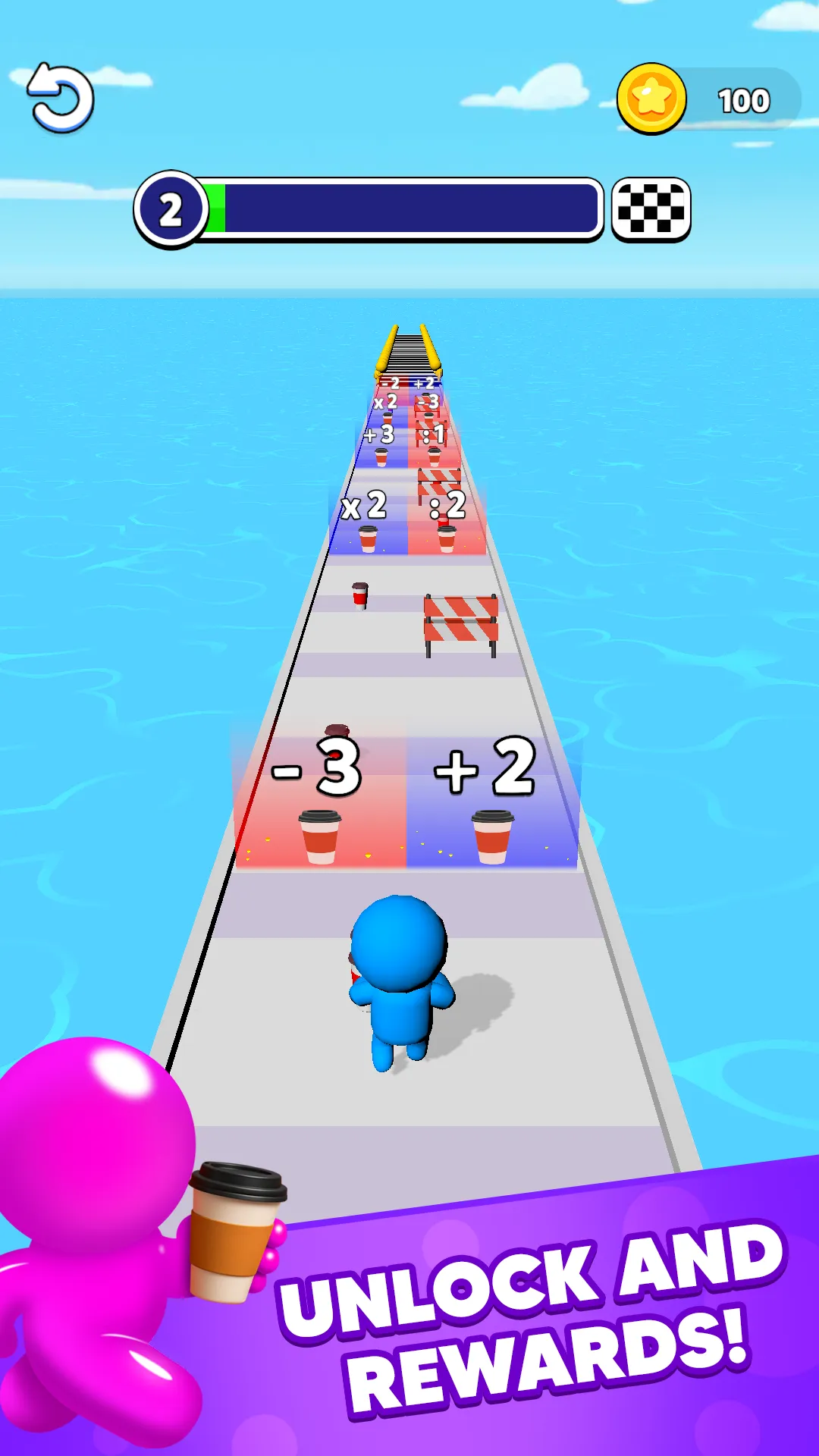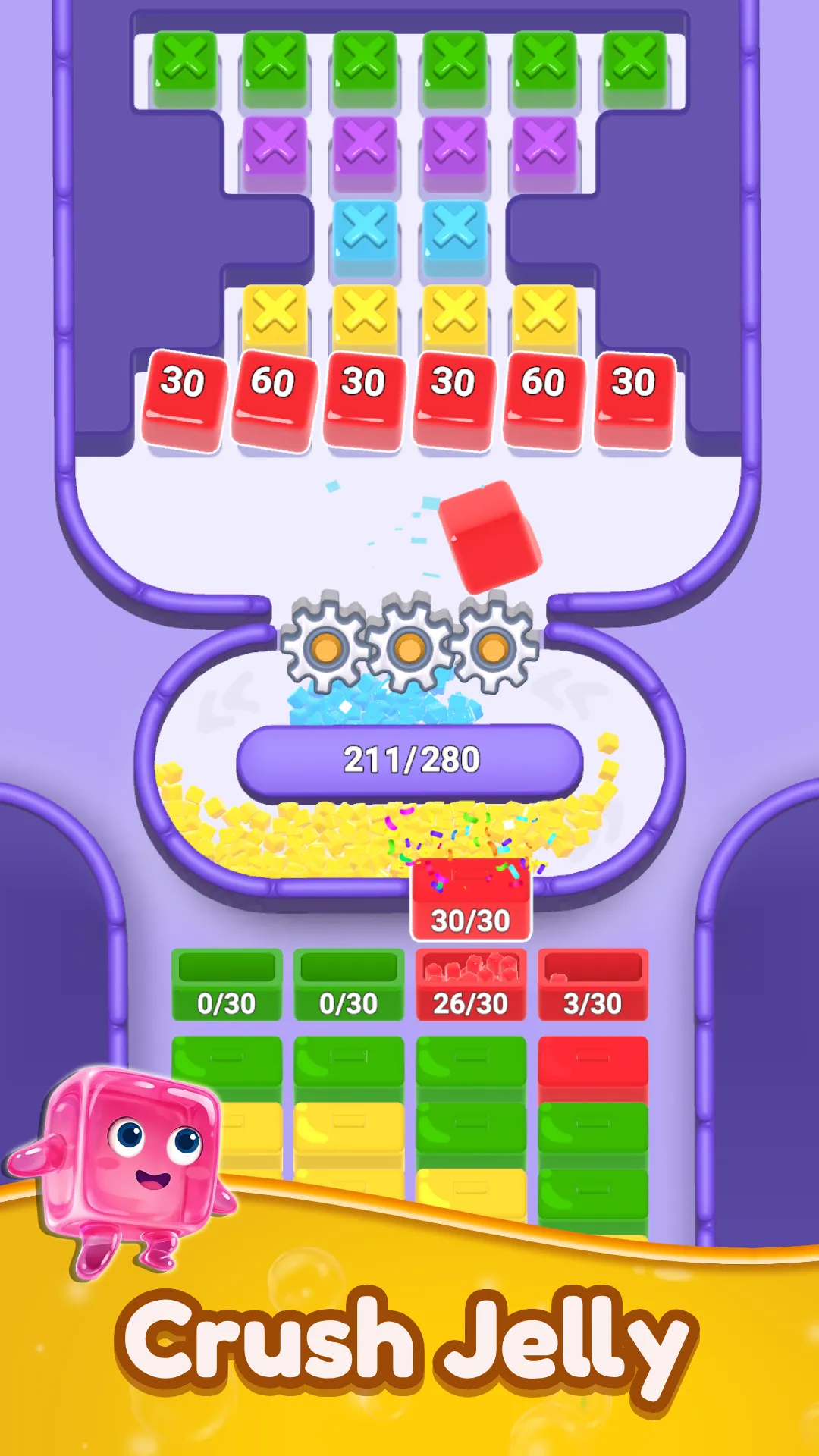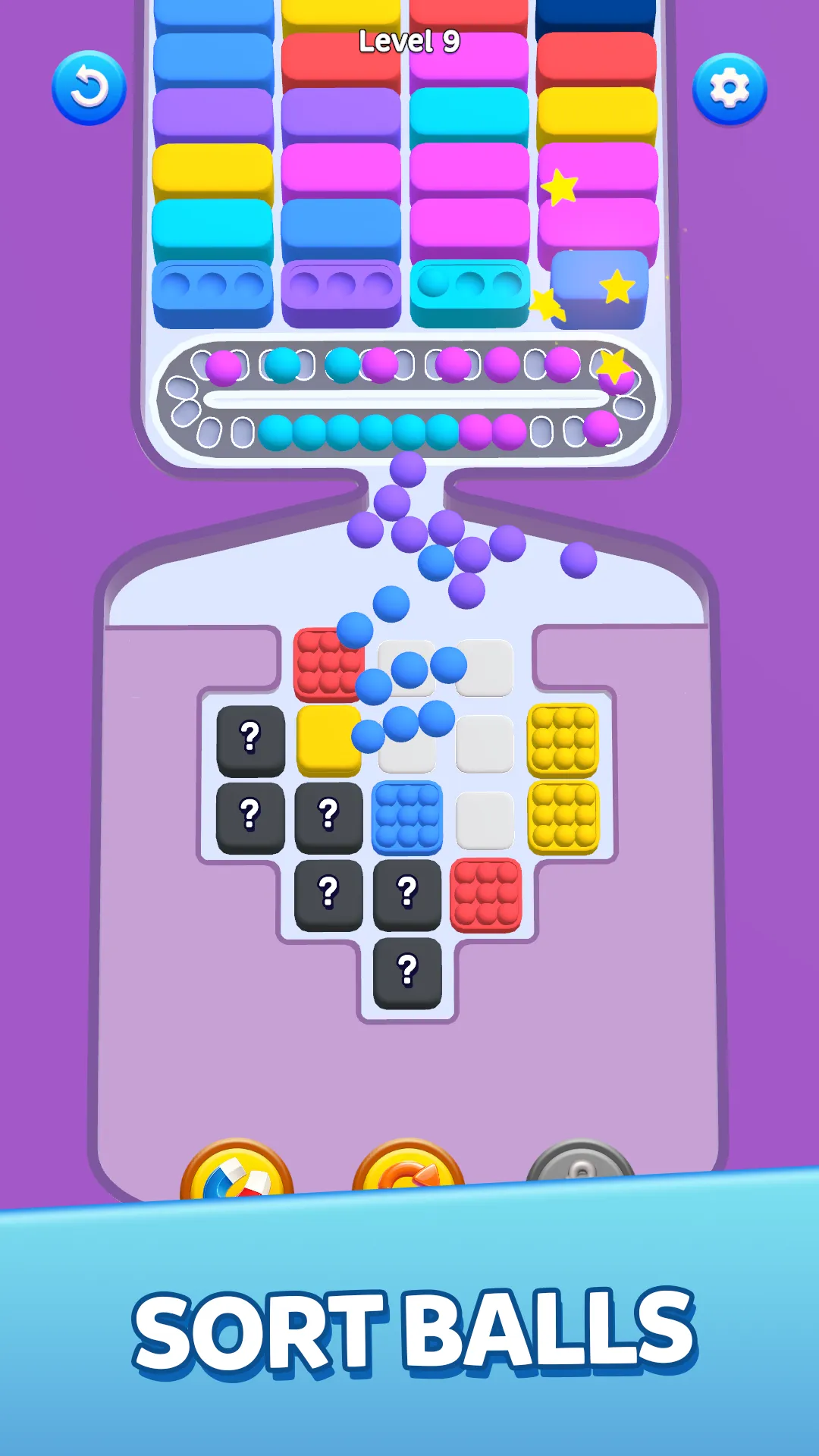

Marble Away!
Conveyor Sort
Tap marbles from the tray onto the conveyor and let them roll into matching groups — fast, tactile and oddly relaxing.
LiveAndroid
View gamePlayable, instrumented prototypes in roughly four to five weeks — built to answer a specific question.
A prototype should answer a question, not just exist. Before we build we agree on the hypothesis ("this mechanic retains casual players"), the metric that would confirm it and the threshold that would kill it. Then we build the smallest thing that can produce that data.
Thanks to the framework, prototypes ship with tracking, a basic meta layer and monetization placeholders from the start, which makes early retention and creative tests meaningful rather than approximate.
Marble Away!
Conveyor Sort
Tap marbles from the tray onto the conveyor and let them roll into matching groups — fast, tactile and oddly relaxing.
Tell us what you are building and we will come back with a concrete proposal — scope, timeline and how we would measure success.