Every year someone declares puzzle "saturated", and every year new puzzle titles climb the charts. The genre is enormous, evergreen and brutally competitive at the same time. For a focused studio the question is not whether puzzle is viable — it is where in puzzle a small, fast team can create an edge.
This is our reading of the landscape as we see it from the inside in 2026. It is qualitative on purpose: market sizing with sources belongs in a deck with a date on it, not in an evergreen article.
The structure of the genre
"Puzzle" on the stores spans very different products:
- Match-3 with deep meta — the giants. Huge live-ops teams, decade-old economies, UA budgets few can match.
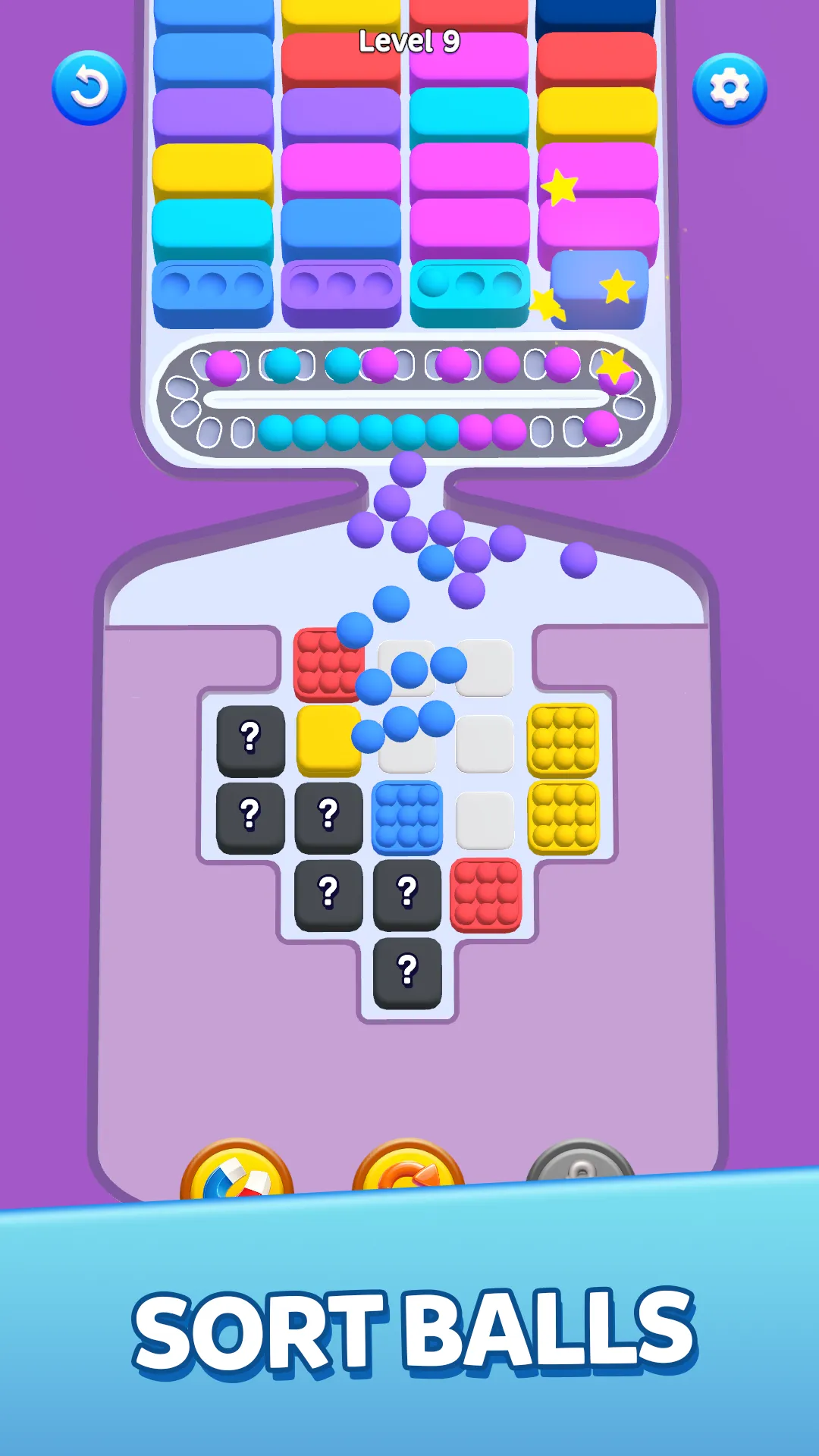
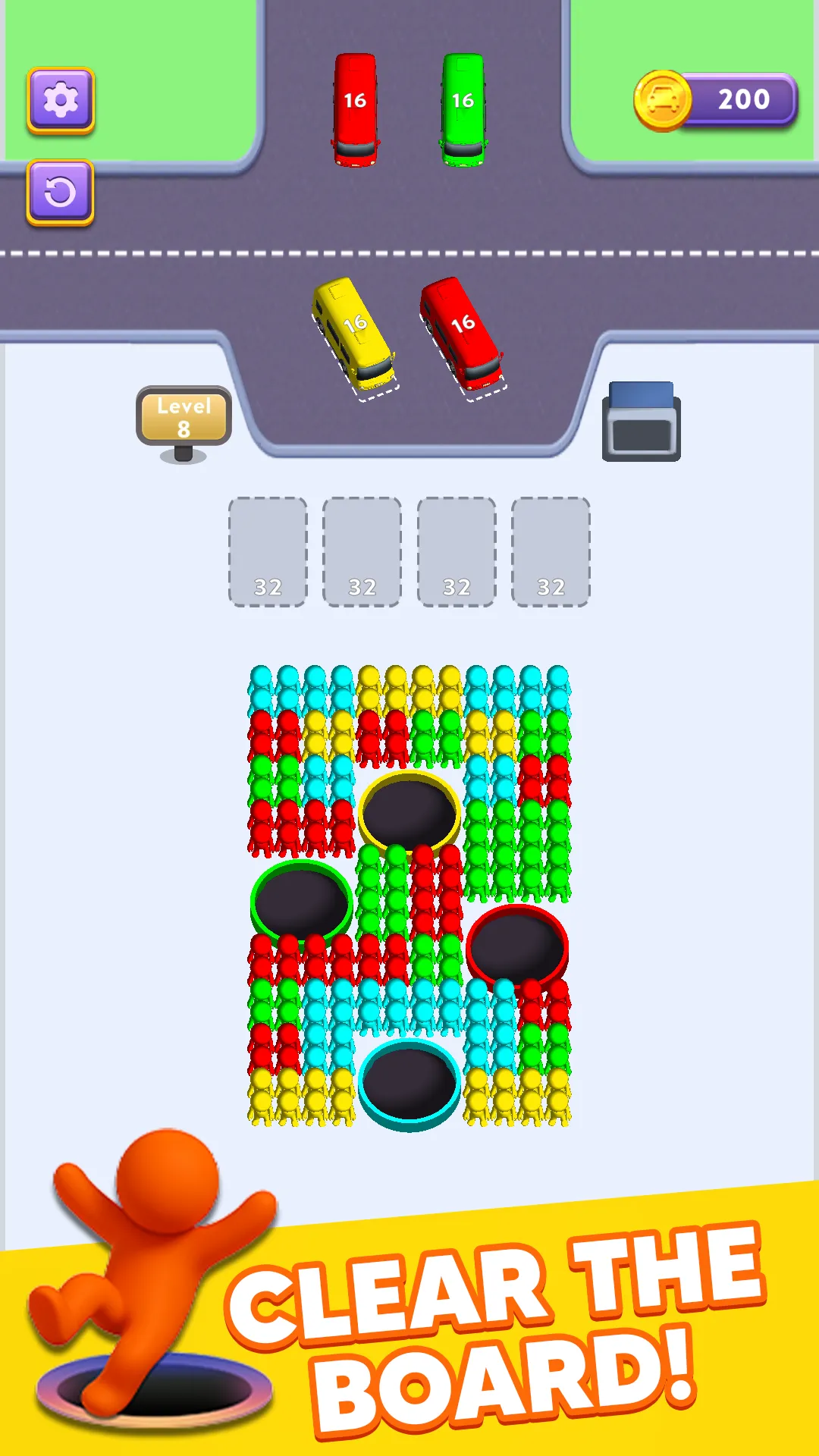
- Sort, block and tile-match casual puzzles — simpler loops, faster production, hybrid IAA/IAP economies. Where most new entrants compete.
- Word, number and logic puzzles — evergreen, older demographics, strong retention, more modest monetization.
- Hybrid-casual puzzles — casual loops with progression layers, collections and events borrowed from mid-core.
The second and fourth groups are where a small studio's speed matters most. Mechanics move quickly, players are willing to try new variations, and the cost of a test is measured in weeks rather than quarters.
Trend 1: The production bar keeps rising
Five years ago a clean sort puzzle with a nice theme could find an audience. Today players expect polish, a meta layer, events and a steady content cadence from week one. That raises the fixed cost of entry — unless the studio has built those systems once and reuses them.
This is the trend that shaped our own strategy. A shared framework with meta, monetization and analytics built in turns the rising bar from a barrier into an advantage: a new concept can meet the bar in weeks because most of the bar is inherited.
Trend 2: Sub-genre cycles are short
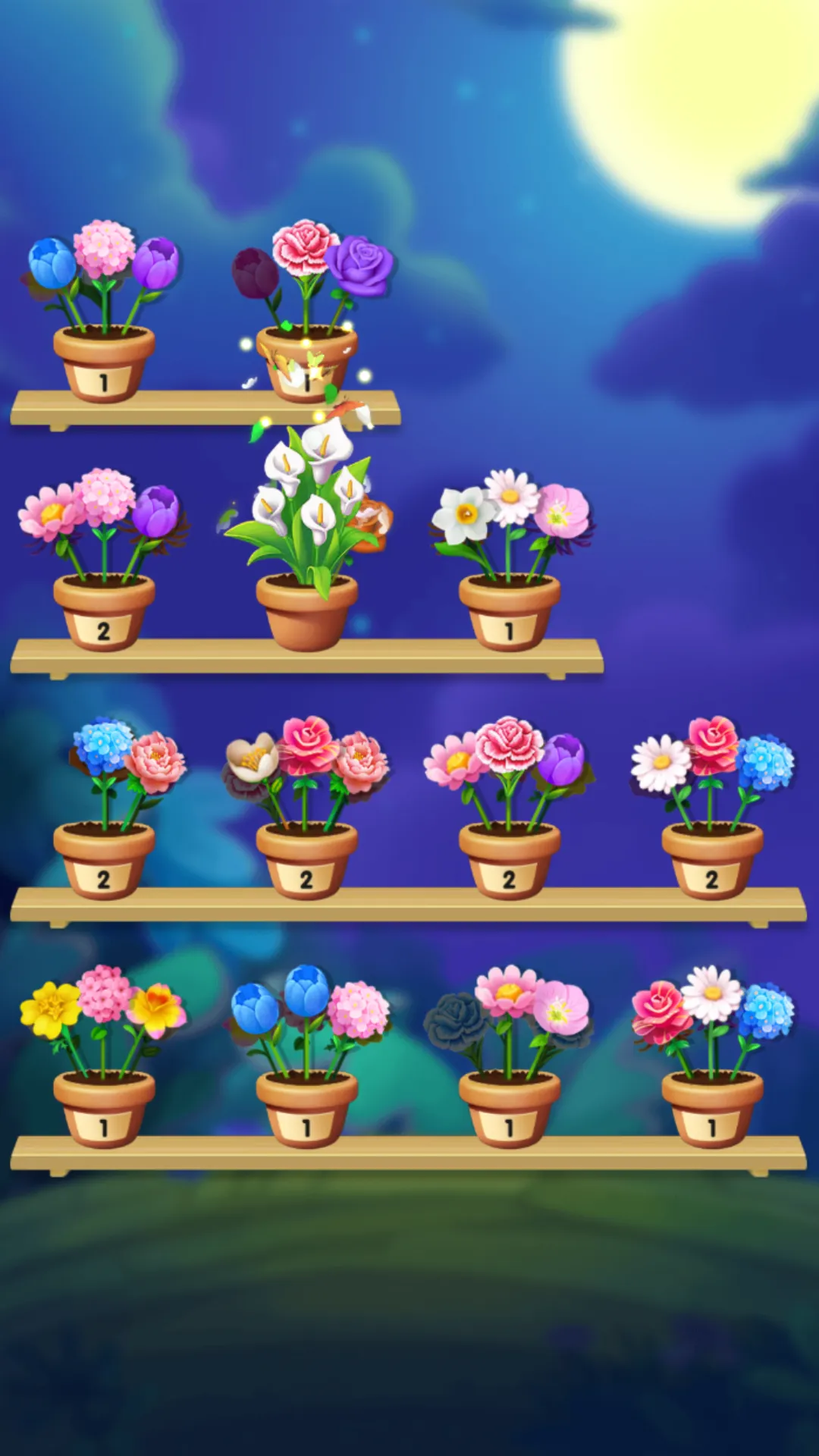
Sort puzzles, block escapes, screw puzzles, tile stacks — variations rise, saturate and settle within a year or two. Studios that can move with the cycle, testing a new mechanic while the previous one is still earning, capture more of each wave. Studios locked into a single codebase per game arrive late.
The practical implication is a portfolio mindset: several concepts tested per year, honest go / kill decisions, and concentration of UA on the titles that clear thresholds.
Trend 3: Hybrid economies are the default
Pure ad-supported casual puzzles are increasingly exposed to ad-market volatility; pure IAP designs struggle to convert casual audiences. The games that hold up combine both, designed together: rewarded placements where help is wanted, paced interstitials, contextual offers and a "remove ads" product. We covered the design in detail in Hybrid monetization for puzzle games.
Trend 4: UA rewards games that market themselves
Creative fatigue is fast and CPIs rarely move in a studio's favor. The games that keep UA efficient are the ones whose mechanics read instantly on camera and whose near-misses create an itch. That is a design property, decided at concept — see Creative-first puzzle concepts. Studios that treat UA as a downstream department pay for it in CPI.
Trend 5: Data literacy is table stakes
Publishers evaluate prototypes on cohorts, not demos. A studio that arrives at a review with per-level funnels, retention by creative and an event calendar's participation numbers has a different conversation from one that arrives with a build. Measurement is no longer a differentiator on its own; the absence of it is a disqualifier.
Where a focused studio can win
Putting the trends together, the opportunities for a small, fast puzzle studio in 2026 look like this:
- Sub-genre timing. Enter variations early with a credible level of polish, made possible by shared systems.
- Portfolio throughput. More instrumented prototypes per year than larger, slower teams, with disciplined kills.
- Fair difficulty as a brand. Players notice studios whose levels feel honest; in a genre full of pay-walls, fairness retains.
- Cost-efficient production. Lean teams in lower-cost regions with strong tooling keep the cost of each experiment low, which makes the portfolio math work.
- Publisher partnerships done properly. Shared briefs, shared thresholds and shared readouts make a small studio a reliable pipeline partner rather than a one-off vendor.
What we are doing about it
Our own strategy is a direct answer to this analysis: a shared Unity framework, an analytics stack built for go / kill decisions, a fixed prototype pipeline and publishing partnerships for distribution. Whether that is the right answer will be settled by cohorts, not articles — which is how it should be.
If you publish or invest in puzzle games and want to compare notes on the landscape, we would like to talk.