Cube Tidy: Sort & Fill
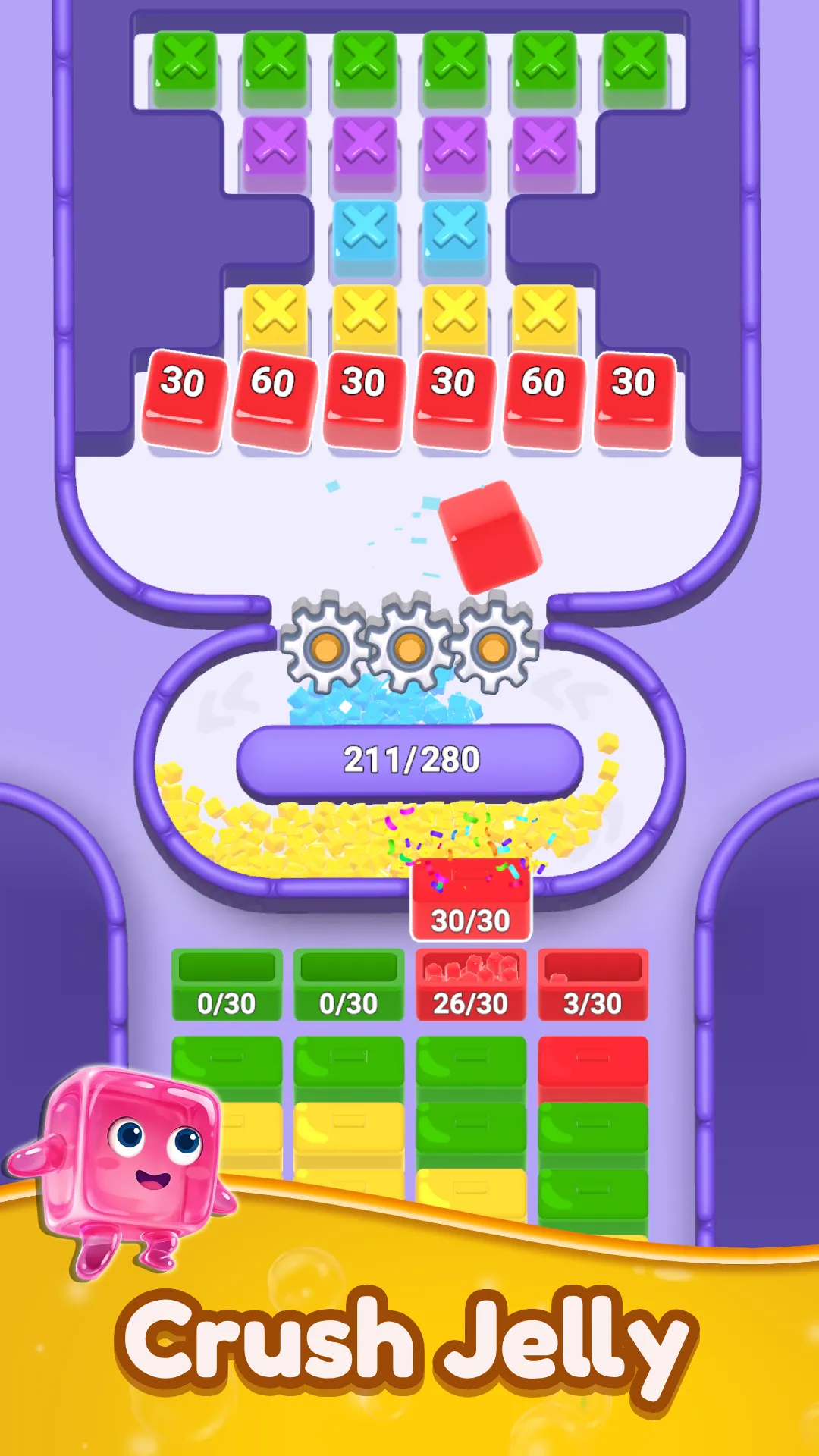
 Jelly Jam
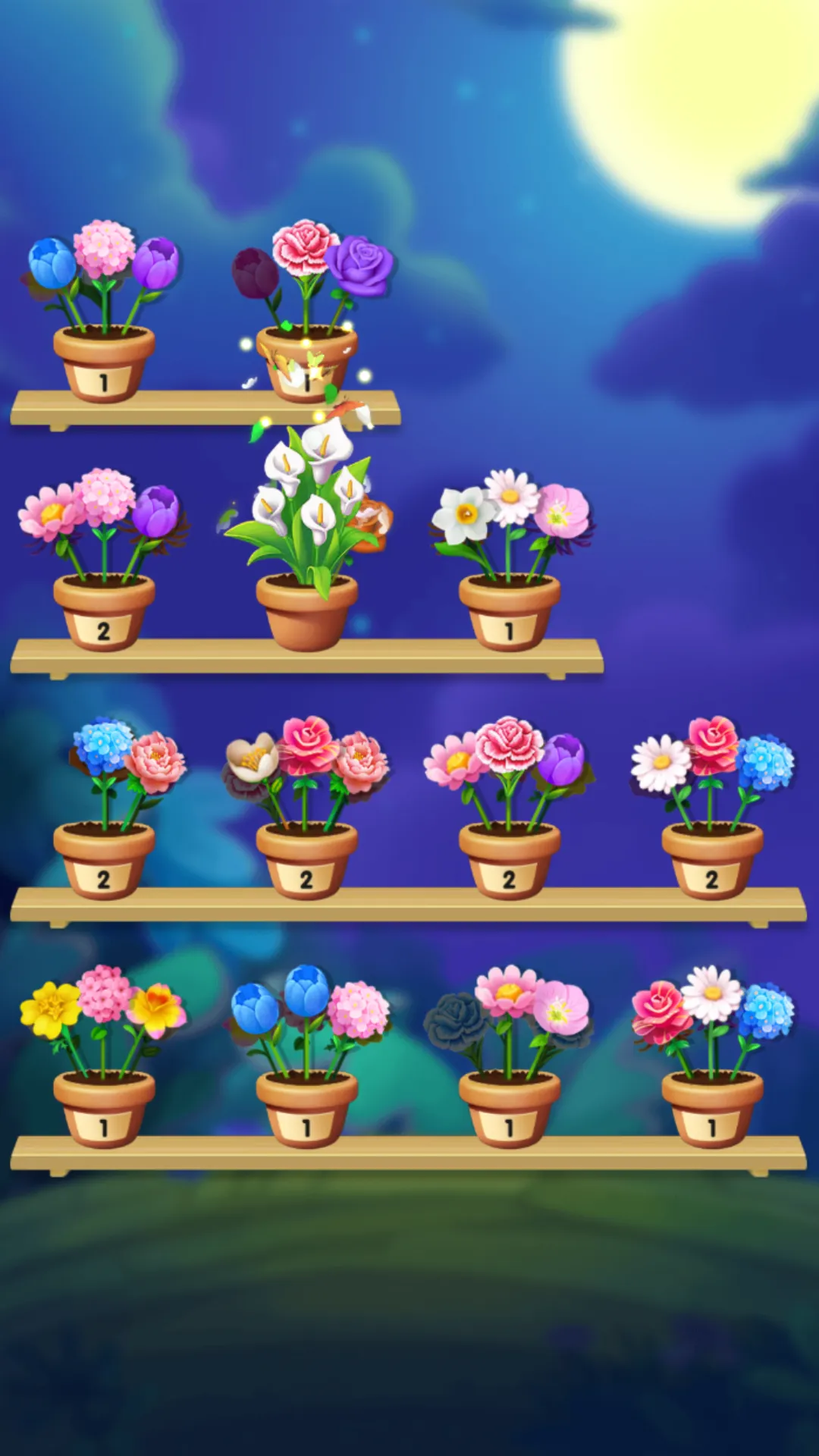
 Zen Garden: Flower Sort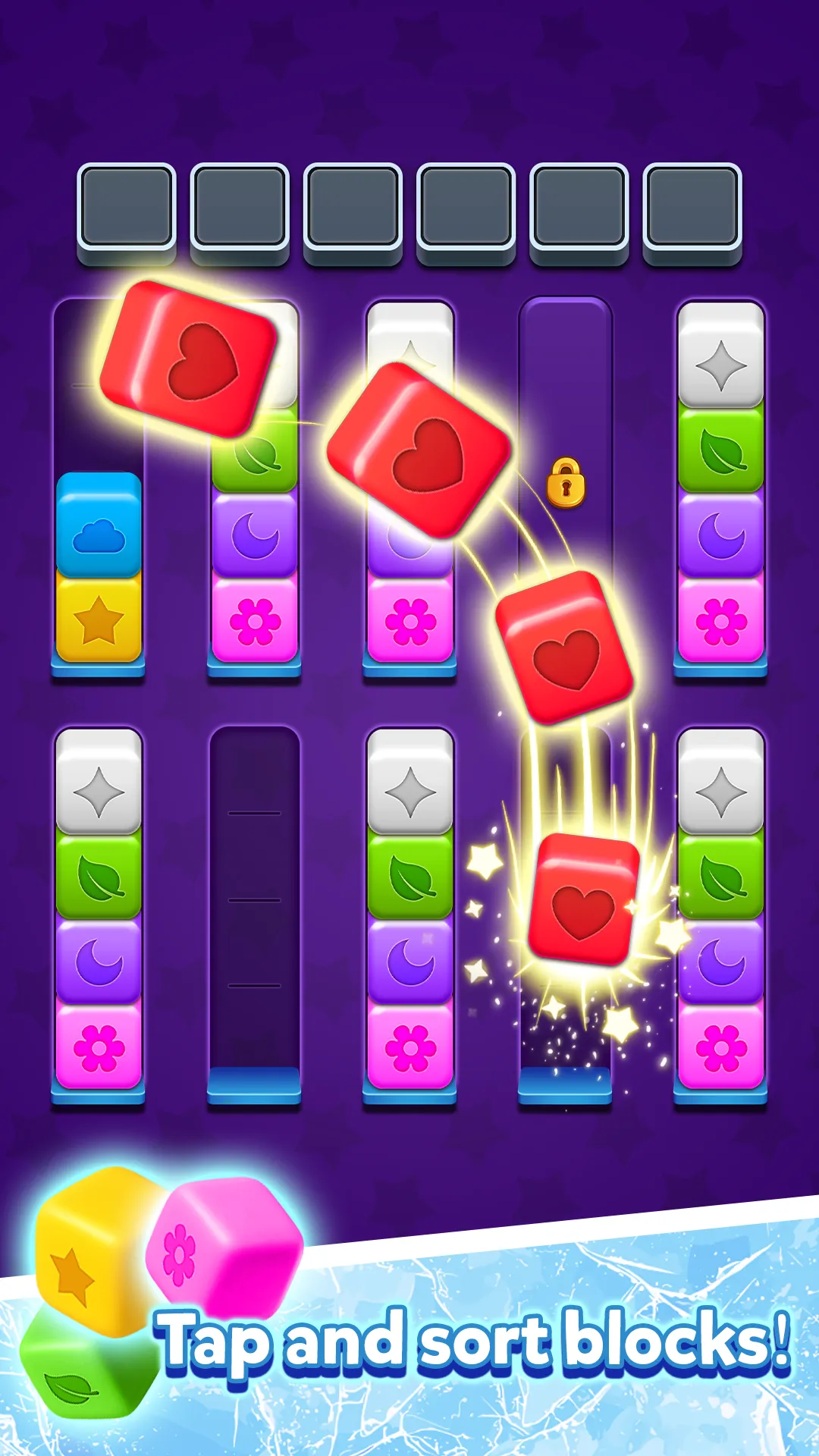

Cube Tidy: Sort & Fill
Sort Puzzle
Move and sort colored blocks to complete the tower layer by layer — a tidy, satisfying block-sort puzzle.
LiveAndroid
View gameTwo internal platforms — an AI game-design copilot with a KPI predictor, and an AI art pipeline with automated QA and Unity export — built by the studio to multiply a lean team.
Published September 5, 2026
Games in this case study
A studio shipping a new puzzle title every few weeks needs a steady supply of two things: well-scoped game design documents that target the right KPIs, and consistent, Unity-ready art. Both are usually bottlenecks for small teams.
Off-the-shelf AI tools helped individuals but not the team: prompts lived in personal chats, art styles drifted between artists, and nothing connected design intent to the numbers that decide a prototype's fate.
Give every designer the same expert assistant, tuned to the studio's four north-star KPIs: D1 and D7 retention, US CPI and playtime.
Turn a concept into a full GDD skeleton and a KPI estimate in minutes, in a workspace the whole team shares.
Produce game art from structured prompts with style presets and reference libraries, run technical QA automatically and export assets straight into Unity.
GD Studio (gd.cmzsoft.com) wraps a large language model in seven game-design 'skills' — core loop, retention, level design, monetization, UA/creative, meta & economy, playtest — each a system prompt written to pull a KPI in the right direction, with a KPI predictor and an idea generator on top.
Art Factory (art.cmzsoft.com) is a Next.js + worker platform: projects, style presets, a reference library, a prompt engine that composes structured prompts, edit/version history, automated technical QA (size, alpha, naming) and a one-click Unity export package.
Both tools are bilingual (Vietnamese/English) so the whole team works in their own language while game-design terminology stays consistent.
GD Studio runs as a React application with serverless functions calling the Claude API; conversations, GDDs and analyses are stored in a shared team workspace with author, search and Markdown export.
Art Factory runs a Postgres/Supabase backend, a job queue and a processing worker; artists generate, edit and approve assets, and the Unity importer package pulls approved exports into the project.
Both feed the same production loop: a concept goes GD Studio → prototype on the puzzle framework → art from Art Factory → test launch on Google Play → analytics readout.
Design and art stopped being the pacing items for new prototypes; the constraint moved to test-launch capacity, which is the right place for it.
Every concept now arrives at the go / kill meeting with a KPI hypothesis written the same way, making prototypes comparable.
Art direction stays consistent across sixteen titles produced by a small team, and assets arrive in Unity already named, sized and QA-checked.
The tools are internal products with their own roadmaps — the studio treats production tooling as part of the product, not a side project.
An assistant is only useful to a team when its output lands in a shared place with a name on it.
Encode the KPIs into the tool. A prompt that knows the D7 target writes different level-design advice than a generic one.
Automated QA on art is worth more than better generation — consistency and Unity-readiness are what save production hours.
Cube Tidy: Sort & Fill
Sort Puzzle
Move and sort colored blocks to complete the tower layer by layer — a tidy, satisfying block-sort puzzle.
Deciding which prototypes deserve more investment is the most expensive decision a studio makes. The decision framework we use: thresholds agreed upfront, a small set of metrics, and three outcomes — go, iterate, kill.
4 min read
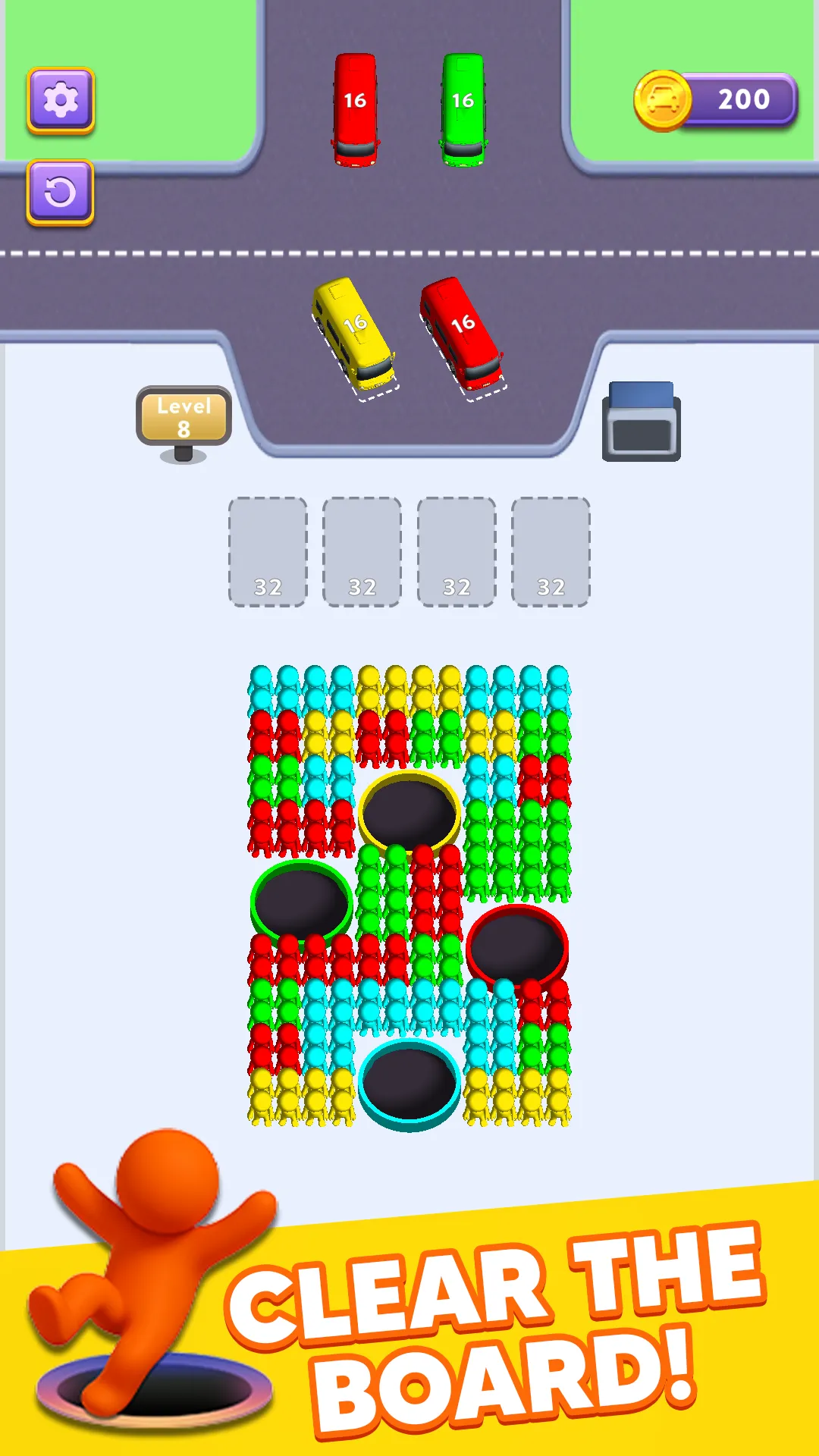
The best UA creative is a mechanic that explains itself in three seconds. How we bring the creative angle into concept and prototype decisions, and what capture-ready builds look like.
4 min read
Publishers and investors can request detailed KPIs for any title.