Cube Tidy: Sort & Fill
 Marble Away!
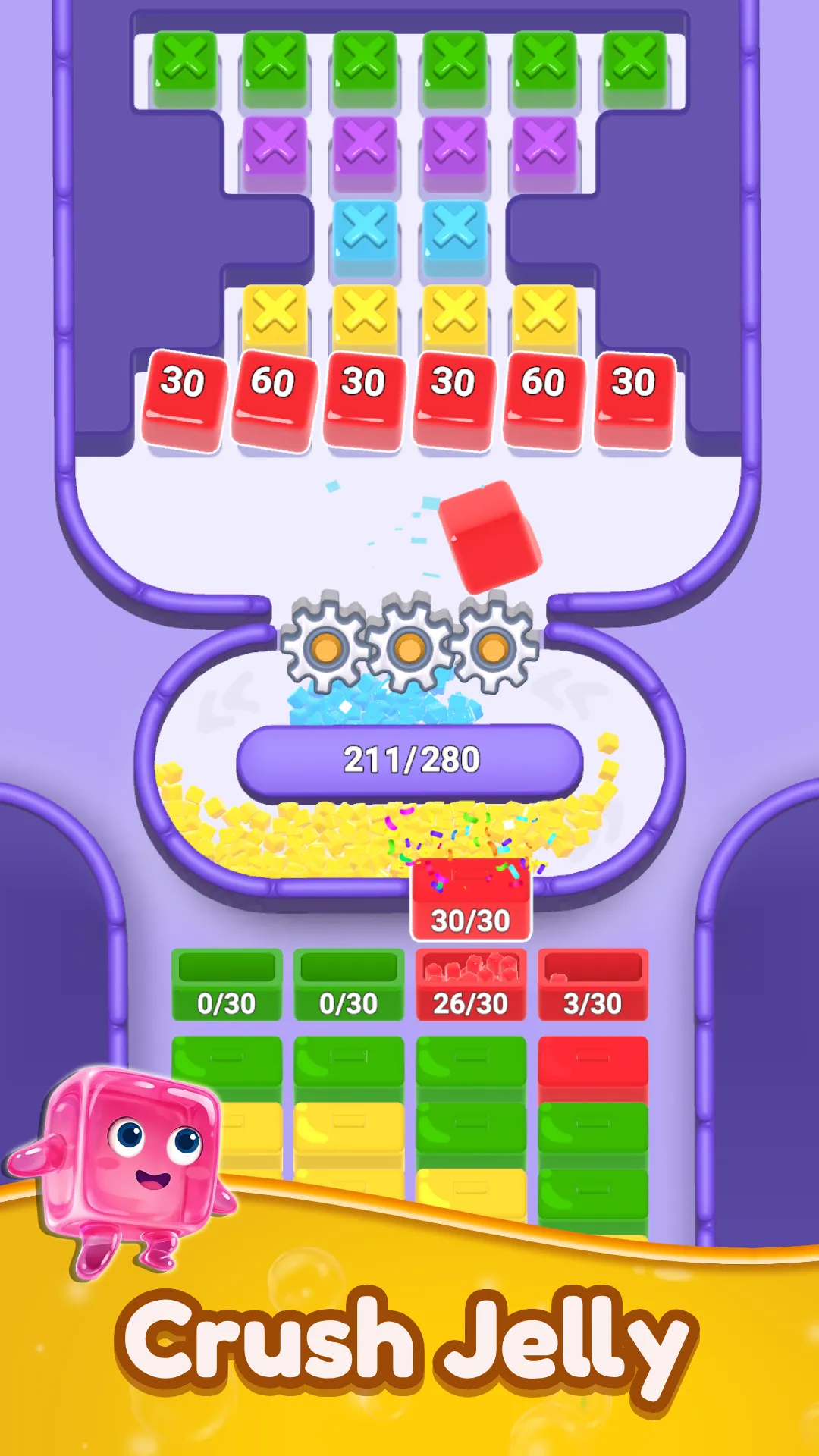
 Jelly Jam
 Zen Garden: Flower Sort
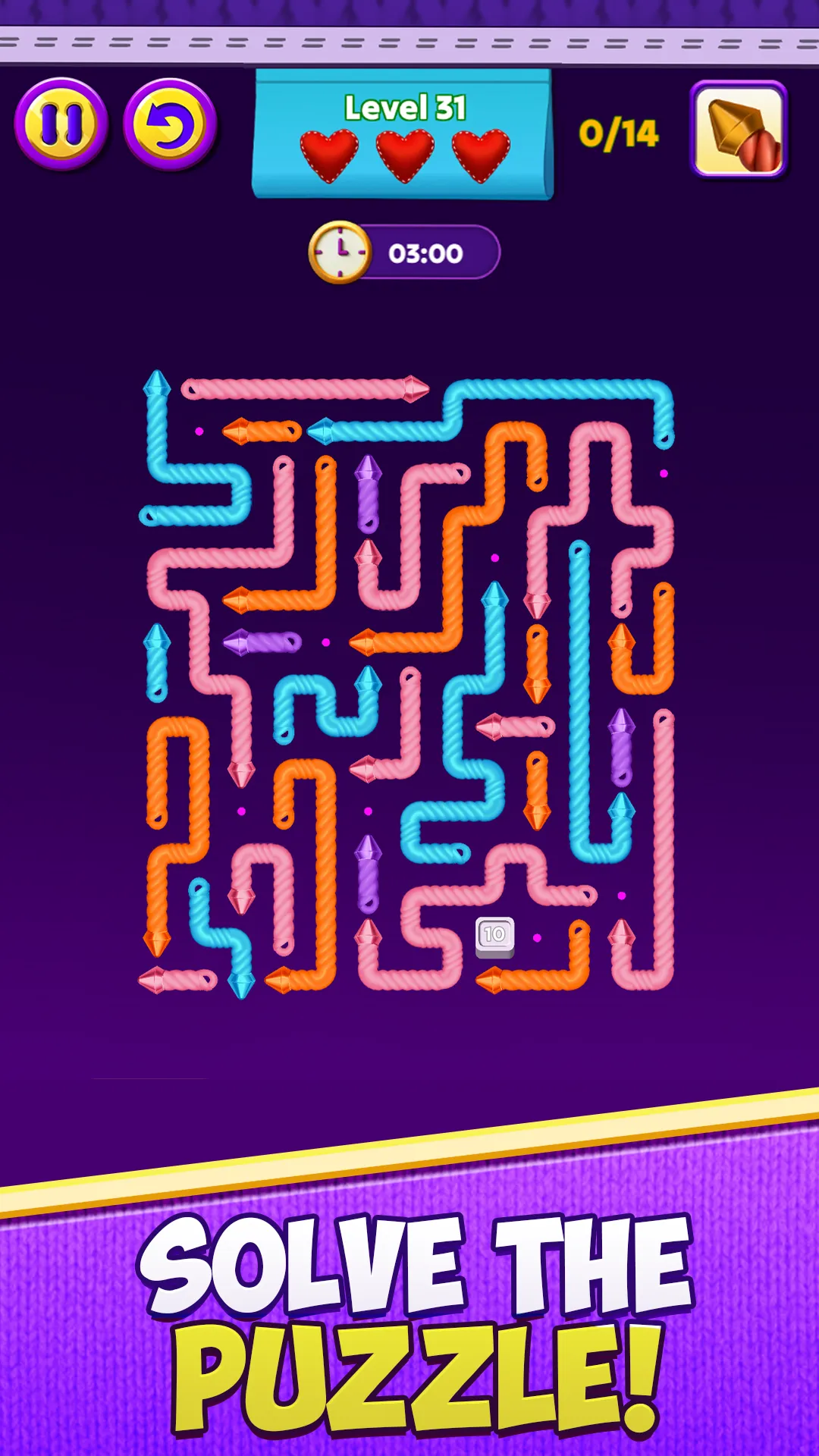
 Arrows Lace Puzzle
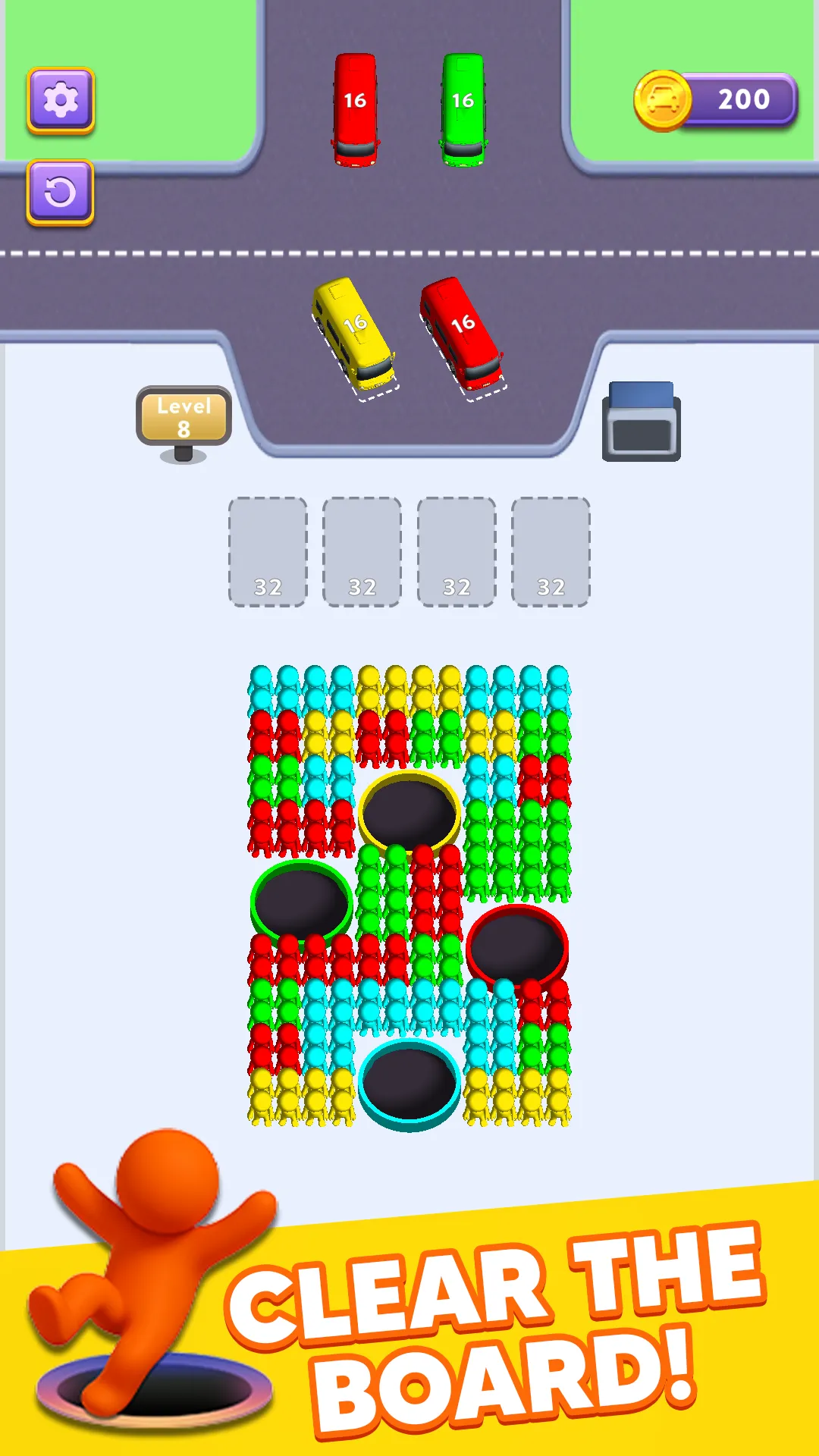
 Hole Crowd: Bus Jam
 Vacuum Conveyor
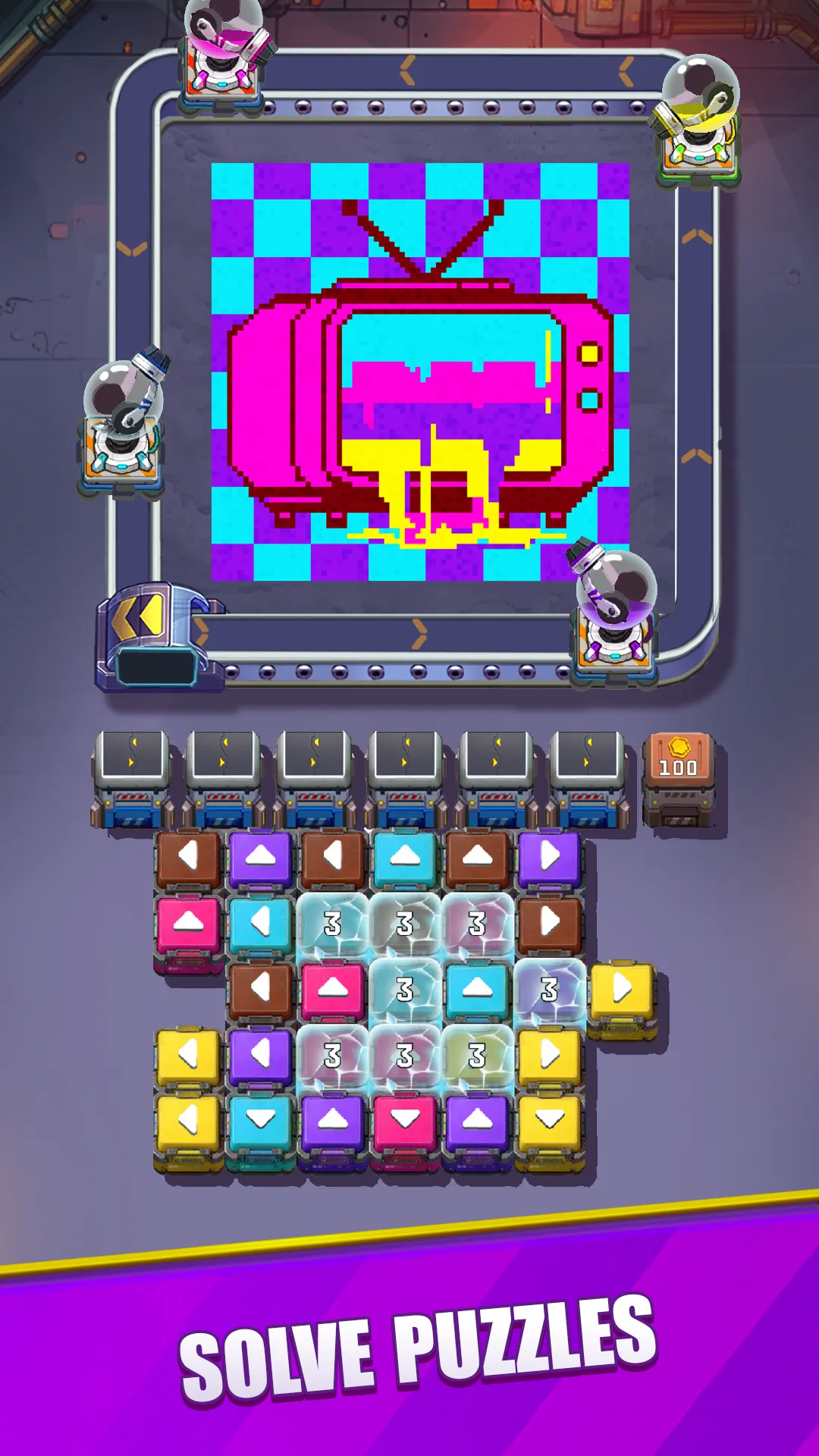
 Block Flow: Arrow Puzzle
 Fill The Car!
 Wool Loop
 Cupcake Sort
 Blast Jam: Block Away
 Color Blast Saga: Block Puzzle
 Coffee Man Run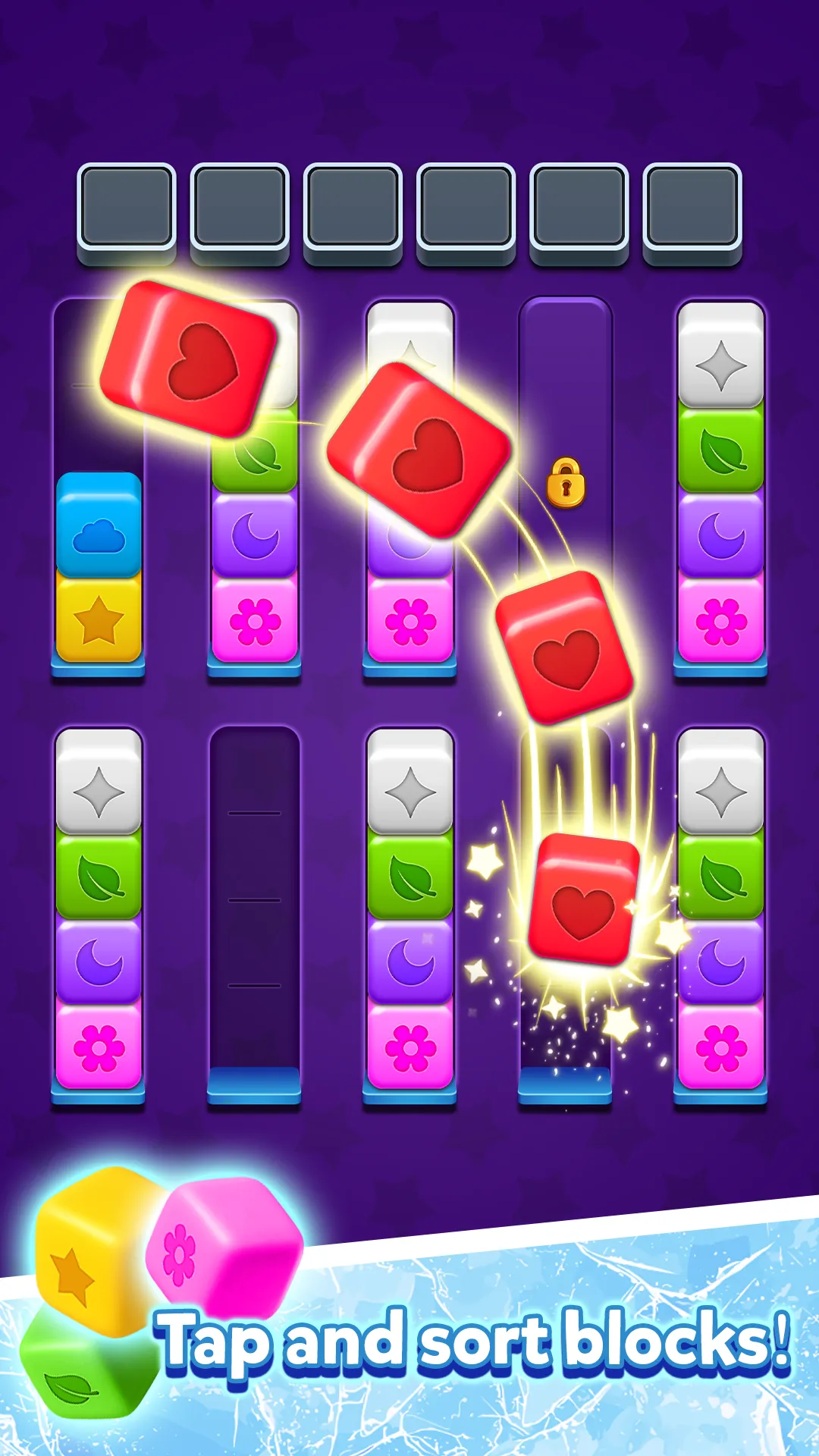

Cube Tidy: Sort & Fill
Sort Puzzle
Move and sort colored blocks to complete the tower layer by layer — a tidy, satisfying block-sort puzzle.
LiveAndroid
View gameHow a shared Unity framework, a level editor and a strict prototype-and-test cadence let a small studio put fourteen puzzle games on Google Play between October 2025 and September 2026.
Published September 10, 2026
In puzzle, the studios that win are the ones that can test the most ideas with the least waste. A small team cannot afford to rebuild progression, boosters, ads, IAP and analytics for every concept — yet every prototype needs those systems before its numbers mean anything.
By mid-2025 the studio had a library of mechanic prototypes (the m-series: screw jam, jigsaw, block legends, berry blast, water sort, cake sort, cupcake sort, block fit …) but each lived in its own project. Turning any of them into a store-ready title took months of duplicated work.
One Unity codebase (the CMZ Puzzle Framework) that any mechanic can plug into.
A level editor and content pipeline shared across titles.
Ads, IAP, remote config and analytics wired in from the first playable build.
A release cadence measured in weeks, with every title test-launched on Google Play to collect real cohorts.
Separate the mechanic from everything around it: a small contract (load level, move, win/lose, hint, booster port) is all a mechanic implements; the framework handles meta, monetization and tracking.
Make content a data problem: the level editor (Dec 2025) exports level data the framework loads directly, so designers ship chapters without engineering time.
Ship to the store early: instead of long internal alphas, each title goes to Google Play as a test launch so retention, funnel and creative data come from real players.
Keep the m-series alive as a library — killed mechanics are archived with their code, levels and learnings and revisited when the market moves.
October 2025: Blast Jam: Block Away, Color Blast Saga and Cupcake Sort become the first three titles on Google Play, proving the shared booster and progression systems.
December 2025 – March 2026: the level editor and the core framework repository are established; Arrows Lace Puzzle and Marble Away start on the new base.
June – August 2026: eleven titles ship in three months — Wool Loop, Fill The Car, Block Flow, Arrows Lace, Marble Away, Zen Garden, Cube Tidy, Hole Crowd, Coffee Man Run, Vacuum Conveyor — across sort, conveyor, arrow-logic, crowd-jam and even a runner.
September 2026: Jelly Jam launches as the fourteenth title; Cube Tidy receives a hybrid meta layer as the template for the next generation of products (pd-series).
Conveyor loop variants: marbles (Marble Away) versus wool (Wool Loop) versus cars (Fill The Car) — same core timing, different themes and pacing, compared on D1 and session length.
Arrow-logic depth: Arrows Lace (2D ropes), Block Flow (3D chains + conveyor) and Vacuum Conveyor (sand physics + collection) tested how much layered feedback a logic puzzle can carry.
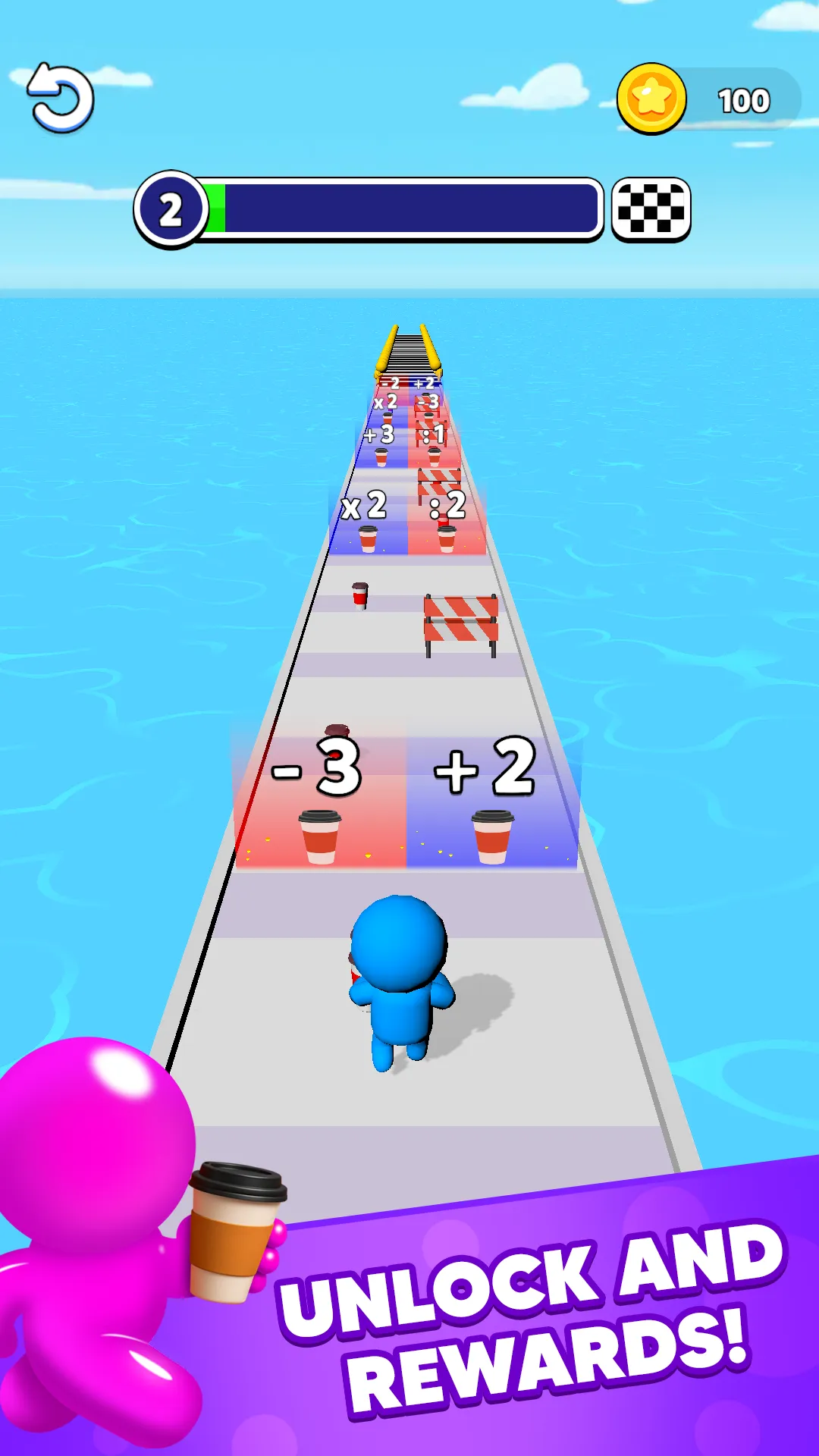
Genre control: Coffee Man Run, a stack runner, was shipped on the same framework to check that the systems hold outside board puzzles.
Fourteen puzzle titles on the framework — sixteen studio titles in total — live on Google Play in under twelve months, from a team small enough to fit around one table.
New concepts reach a store-ready test launch in weeks rather than months because progression, monetization, remote config and tracking are inherited.
Nine product builds (pd-01 … pd-09) are in the pipeline on the same base, each with an explicit KPI gate before further investment.
Per-title KPIs (installs, retention, monetization) are shared with publishers and investors under NDA and intentionally not published here.
A framework earns its keep on the third title, not the first. Design the mechanic contract for the game you have not built yet.
Test launches beat internal opinions: three weeks of real cohorts settle debates that months of playtests cannot.
Theme is cheap, mechanic is expensive — reskinning a proven loop (marbles → wool → cars) is a legitimate experiment when the question is audience, not fun.
Killing fast is a feature. Most of the 25 mechanics did not ship, and the studio is healthier for it.
Cube Tidy: Sort & Fill
Sort Puzzle
Move and sort colored blocks to complete the tower layer by layer — a tidy, satisfying block-sort puzzle.

Marble Away!
Conveyor Sort
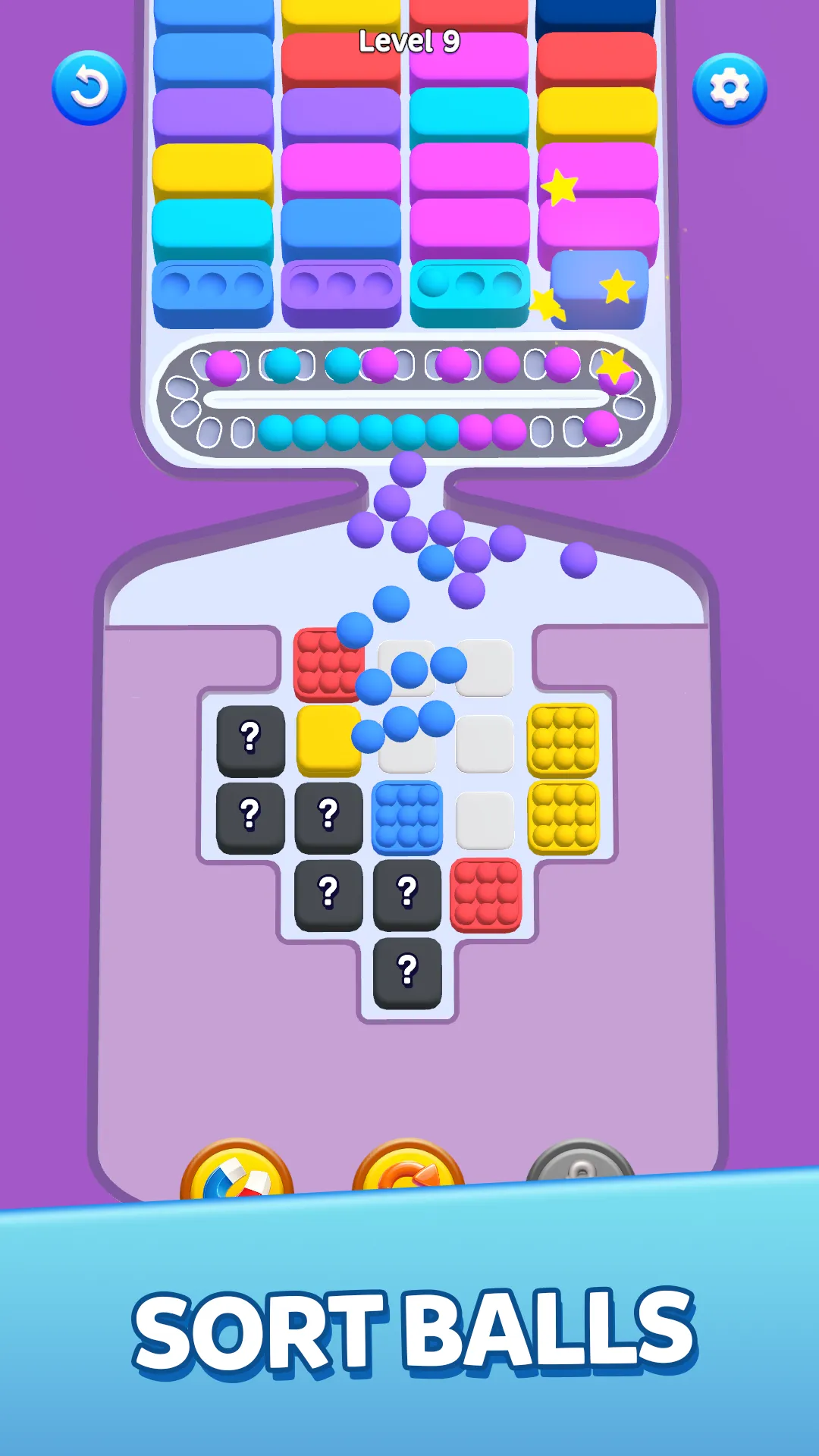
Tap marbles from the tray onto the conveyor and let them roll into matching groups — fast, tactile and oddly relaxing.

Jelly Jam
Swipe Puzzle
Swipe through bouncy mazes, crush colorful jellies and close the perfect loop in the studio's newest puzzle.
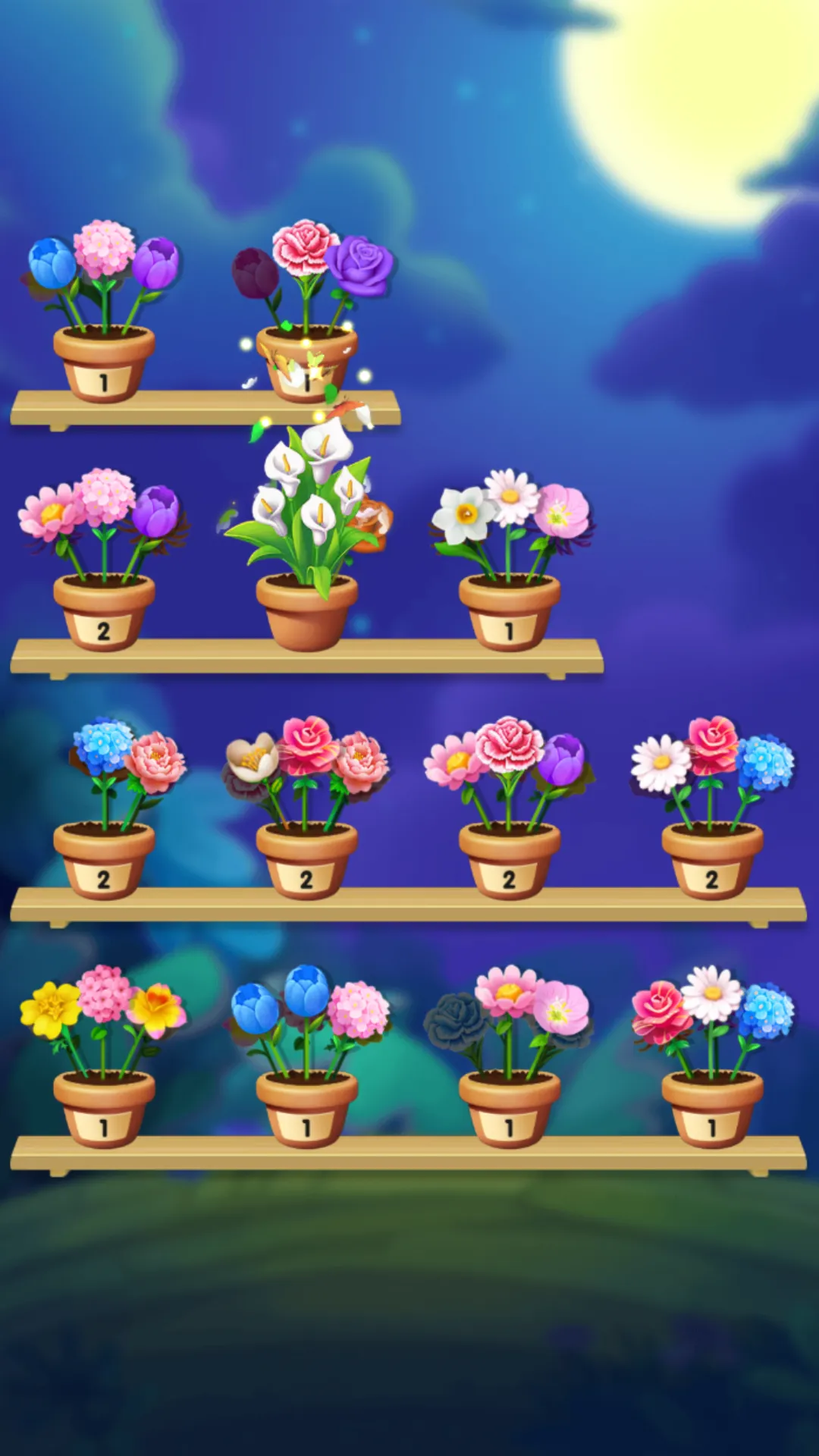

Zen Garden: Flower Sort
Sort Puzzle
Group identical flowers into their vases and clear the board — a calm, beautiful take on the sort puzzle.

Arrows Lace Puzzle
Logic Puzzle
Slide every rope in the direction it points and free the whole tangle without a single collision.

Hole Crowd: Bus Jam
Crowd Jam
Open escape paths so every stickman drops into the hole of its color and boards the right bus before your slots run out.
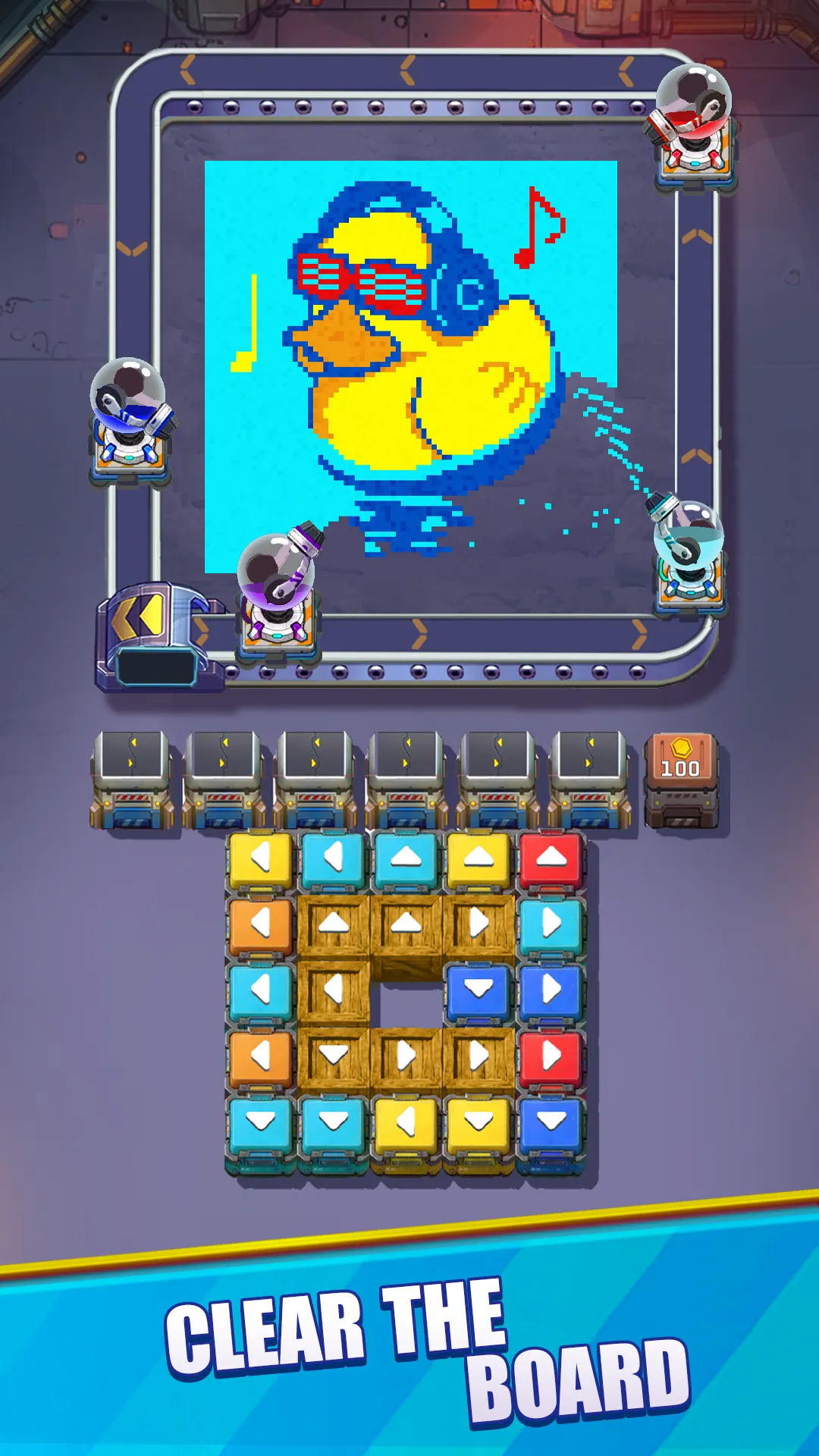

Vacuum Conveyor
Arrow Puzzle
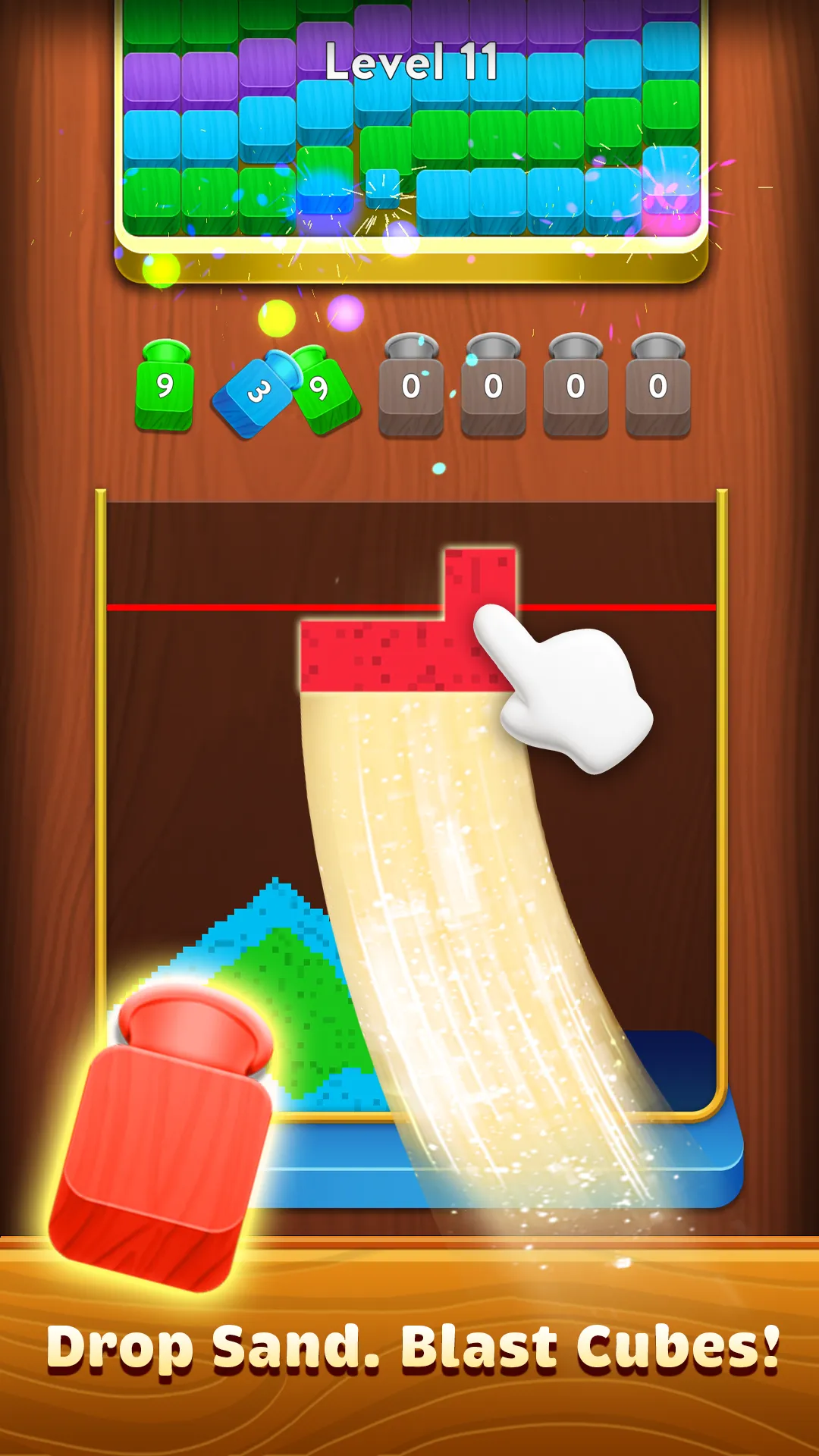
Slide arrow blocks out of the grid to unleash color vacuums that siphon sand away and reveal hidden pixel art.
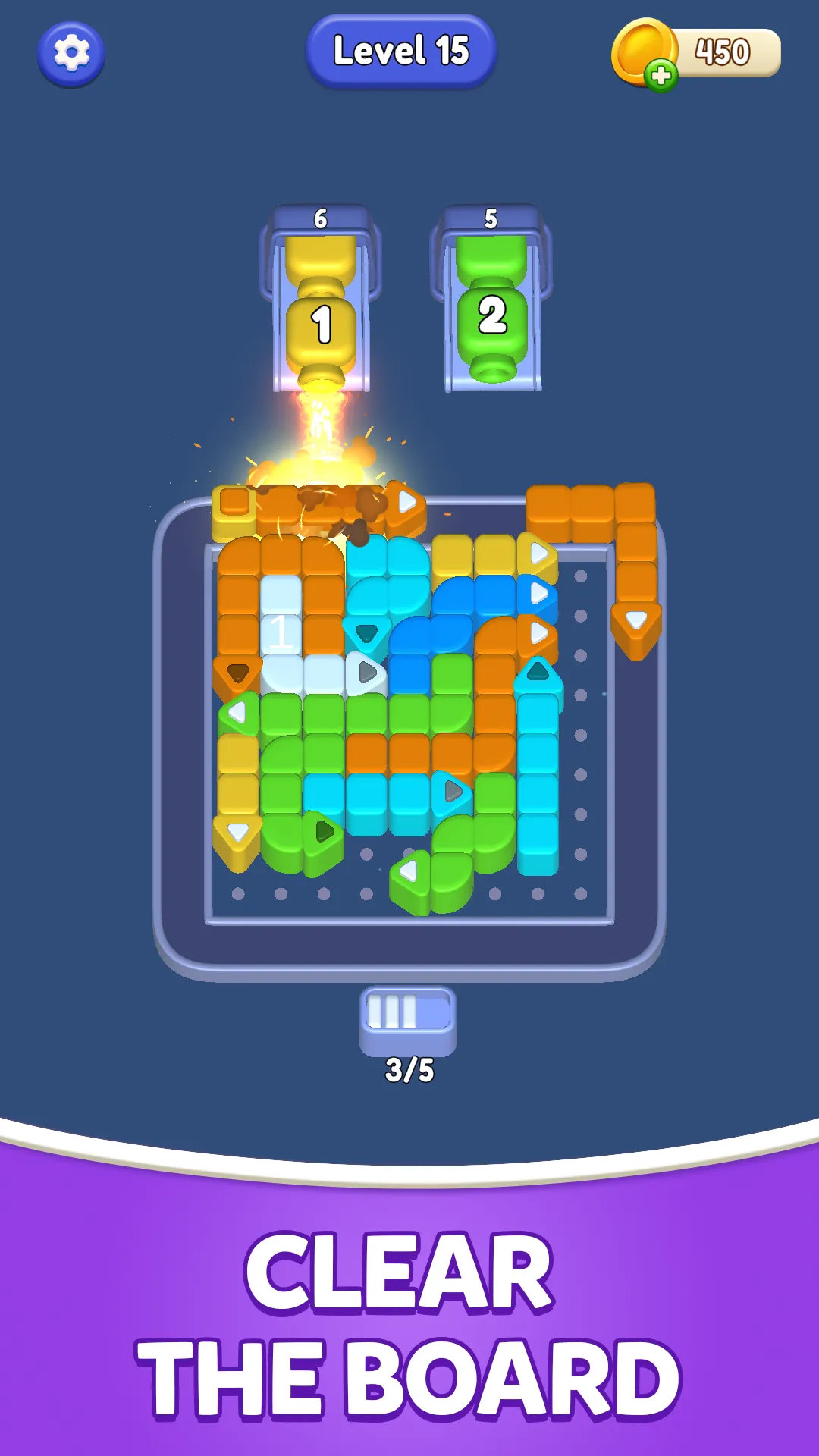

Block Flow: Arrow Puzzle
Arrow Puzzle
Free block chains from a crowded 3D grid, send them onto the conveyor and let the color shooters blast them away.
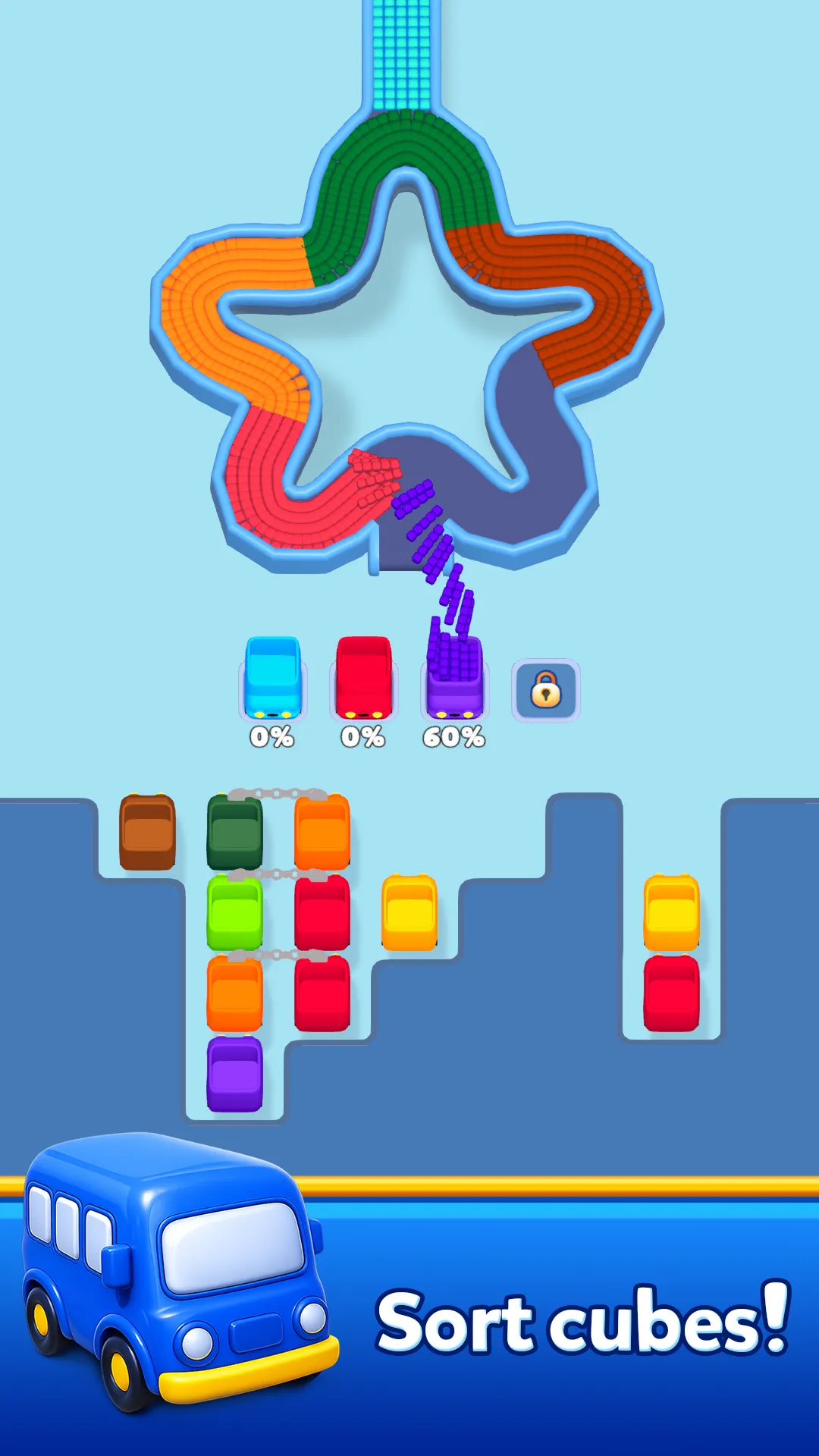

Fill The Car!
Conveyor Match
Colorful blocks roll down the conveyor; load each cute car with its matching blocks before the belt backs up.
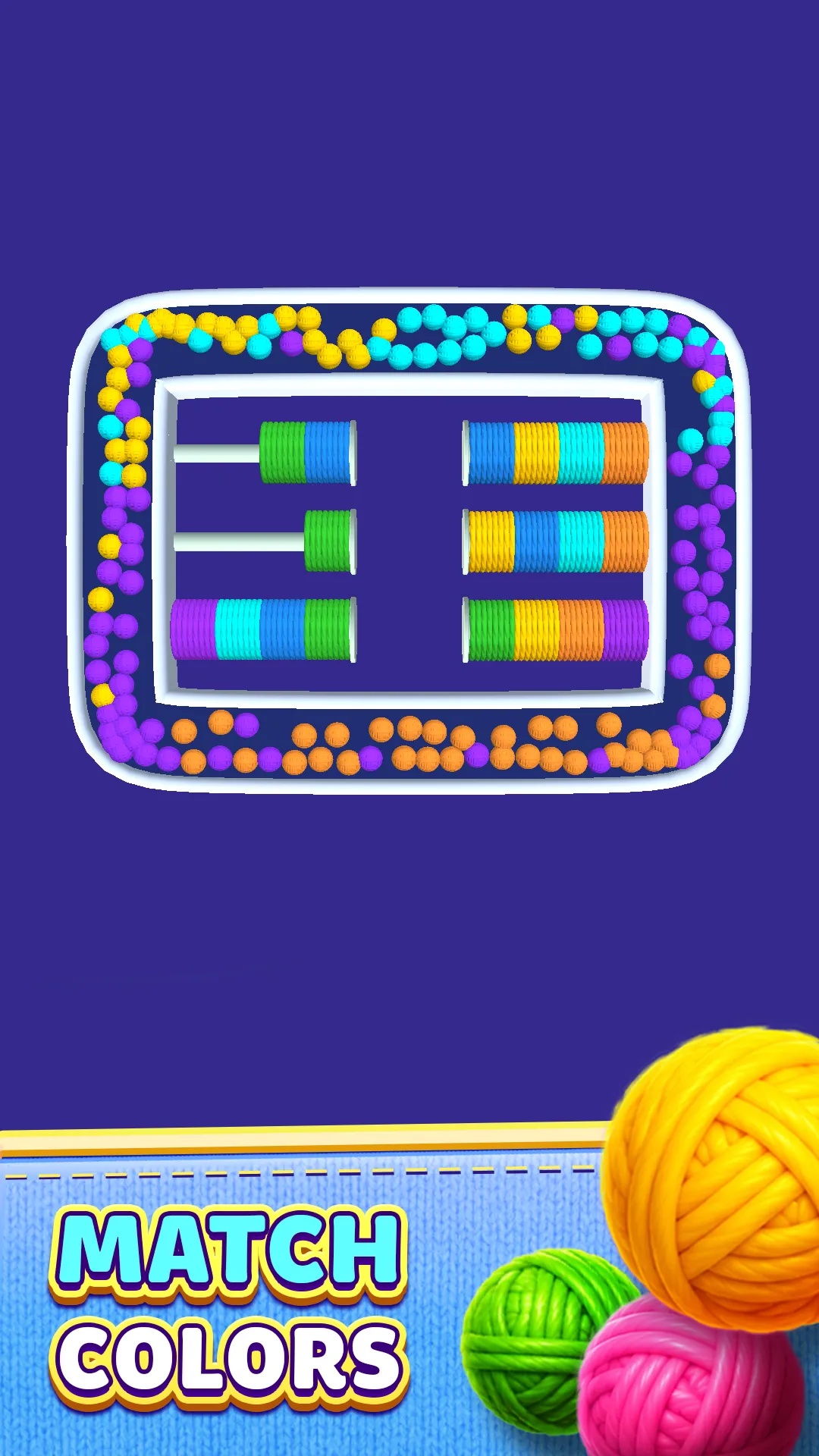

Wool Loop
Conveyor Sort
Tap once to send wool balls from the spool onto the belt and watch them sort themselves — a cozy conveyor puzzle.
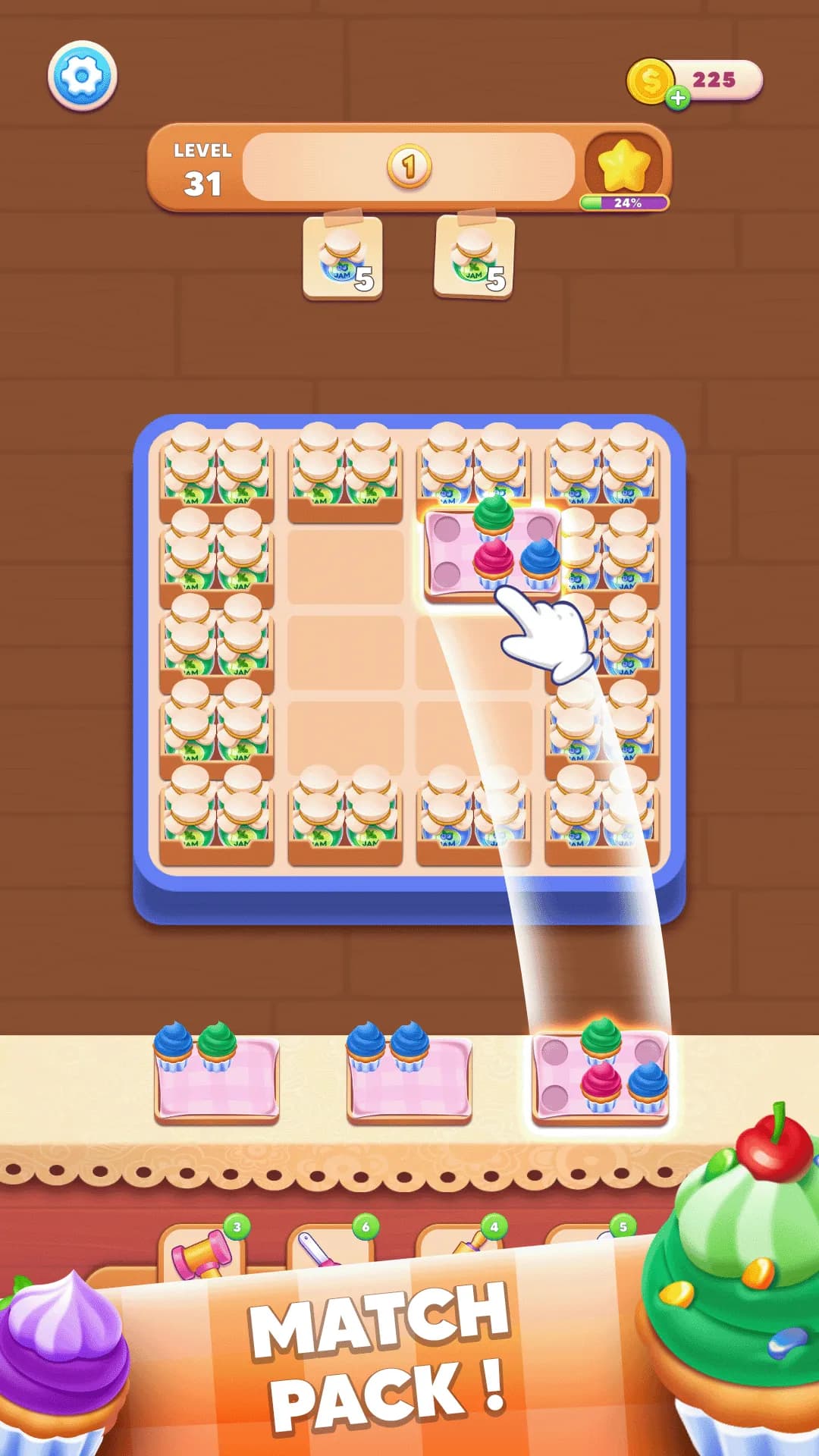

Cupcake Sort
Merge Sort
Not match-3 but match-6: sort and merge colorful cupcakes onto trays to serve every order.
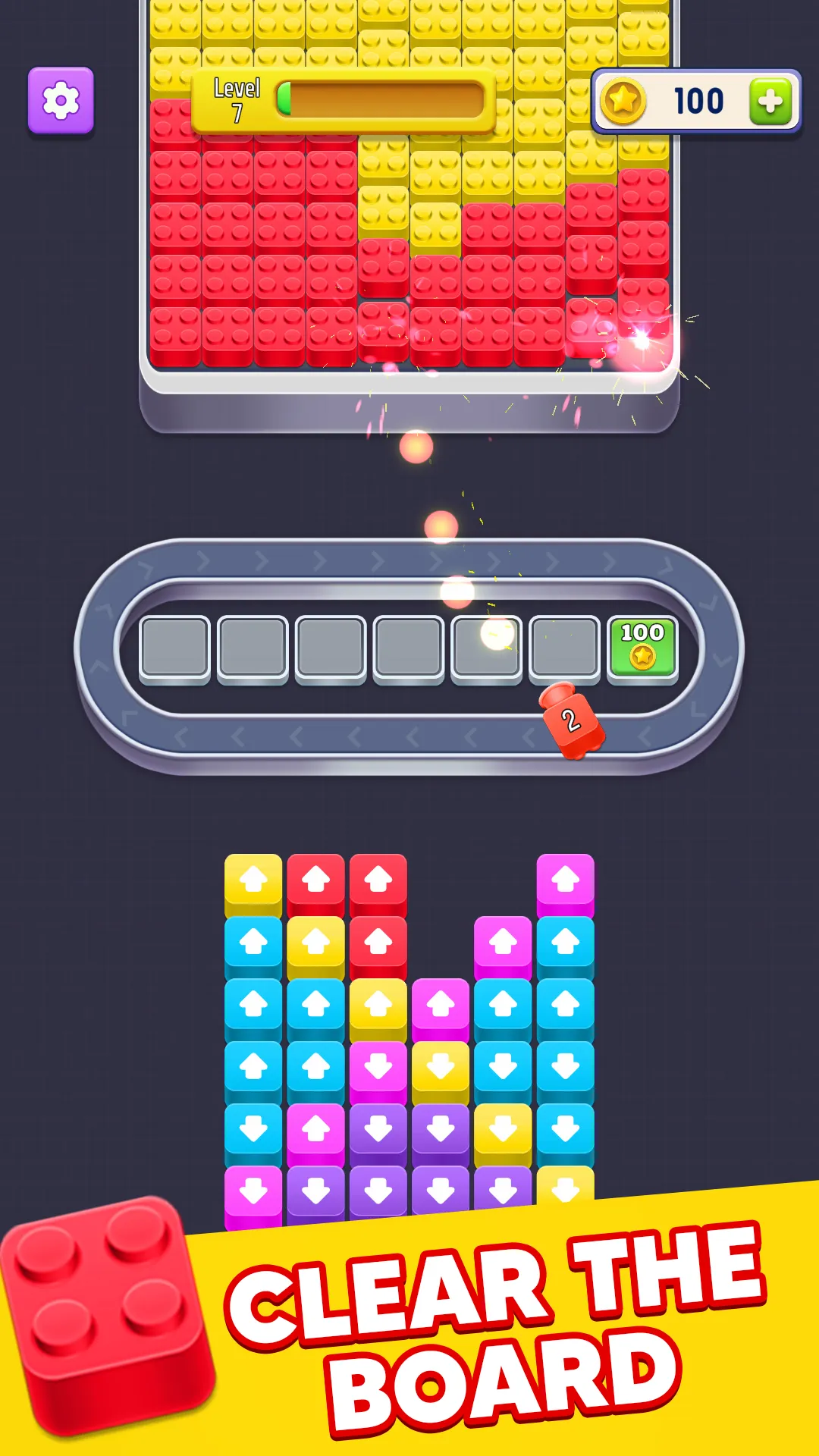

Blast Jam: Block Away
Block Puzzle
Merge, match and blow up colorful tiles in a bright block puzzle built around big satisfying clears.
Deciding which prototypes deserve more investment is the most expensive decision a studio makes. The decision framework we use: thresholds agreed upfront, a small set of metrics, and three outcomes — go, iterate, kill.
4 min read
How we structured a single Unity codebase to run more than a dozen puzzle mechanics: package boundaries, the mechanic contract, a data-driven meta layer and the tracking that comes for free.
5 min read
A prototype should answer a question, not just exist. The week-by-week pipeline we use to take a puzzle concept to a playable, tracked build that can survive a real go / kill decision.
4 min read
Publishers and investors can request detailed KPIs for any title.